
Bioventix Invests in CVD Diagnostics Start-up CardiNor
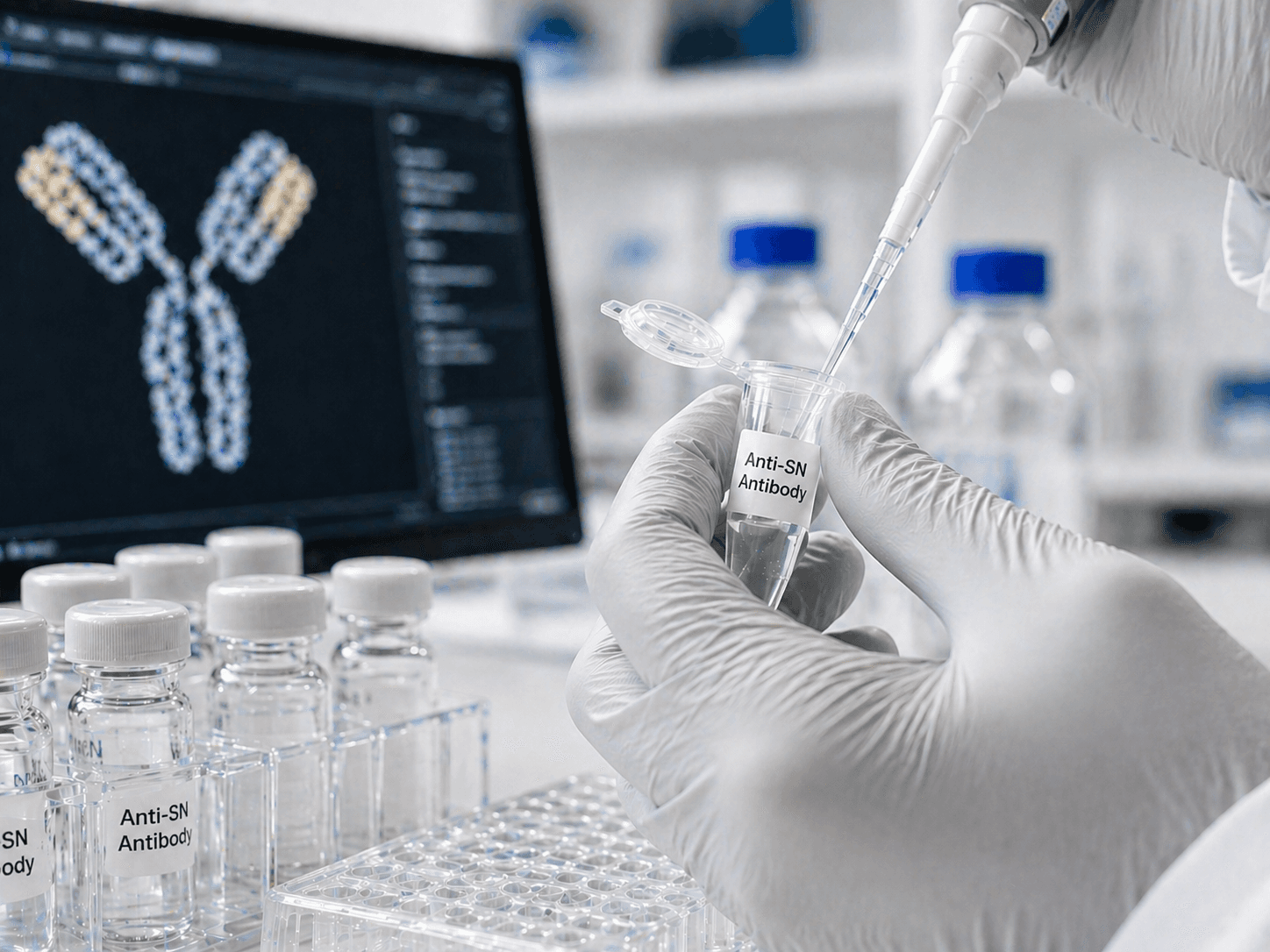
Scandinavian cardiovascular diagnostics start-up CardiNor AS today announced a collaboration with leading UK antibody specialist Bioventix plc (BVXP). Under the terms of the agreement, Bioventix will develop and provide antibodies for CardiNor’s new Secretoneurin (SN) IVD test.
Aimed at the estimated USD 4 billion cardiovascular risk assessment market, the assay is intended for launch in early 2017. Under the terms of the agreement, Bioventix will take a 10% shareholding in CardiNor.
Secretoneurin is a neuropeptide that has been shown by researchers at Akershus University Hospital, the University of Oslo, and Akademiska in Uppsala, Sweden, to be an independent CVD risk marker linked to myocyte calcium regulation. This led to a recent editorial in JACC, the Journal of the American College of Cardiology, entitled: “Will secretoneurin be the next big thing in cardiovascular risk assessment?”, assessing its potential to become a third key frontline assay alongside troponin and BNP.
“Secretoneurin has the potential to provide a far better tool for selecting patients for cardiac rhythm management,” says CardiNor CEO Dag Christiansen. “The current regime lacks the desired sensitivity and specificity for patient selection. It is known that 70% of patients with an implantable cardioverter-defibrillator (ICD) do not actually need the device. This in turn causes both unnecessary patient stress and device costs of USD 10 billion. By working with Bioventix, utilizing their antibody and ELISA expertise to develop a simple blood-based Secretoneurin test, we believe we can dramatically change this situation and provide the missing link in cardiovascular risk assessment.”
Peter Harrison, CEO of Bioventix plc, said: “We are delighted to be involved with CardiNor in their secretoneurin project, working with both experienced industry professionals and world-renowned scientific experts in the CVD biomarker field. We have many years’ experience of making high-affinity sheep monoclonal antibodies for various diagnostic applications, including cardiac markers. We believe that our technology and experience will add to the high quality of basic research that has resulted in the secretoneurin assay project.”



" height="29px" id="IhqJQ7QHj" width="116.99999539209648px"/></svg>)